FORMATION FLIGHT
Fly in formation
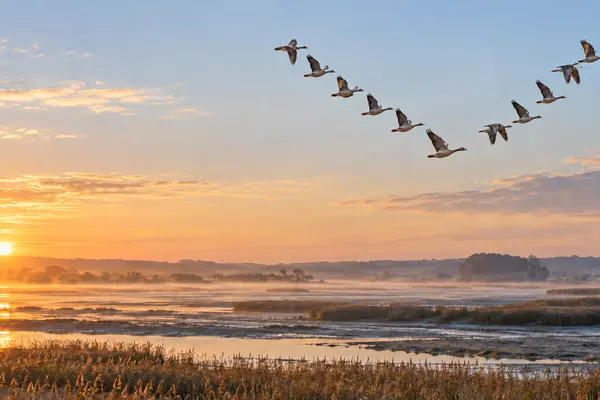
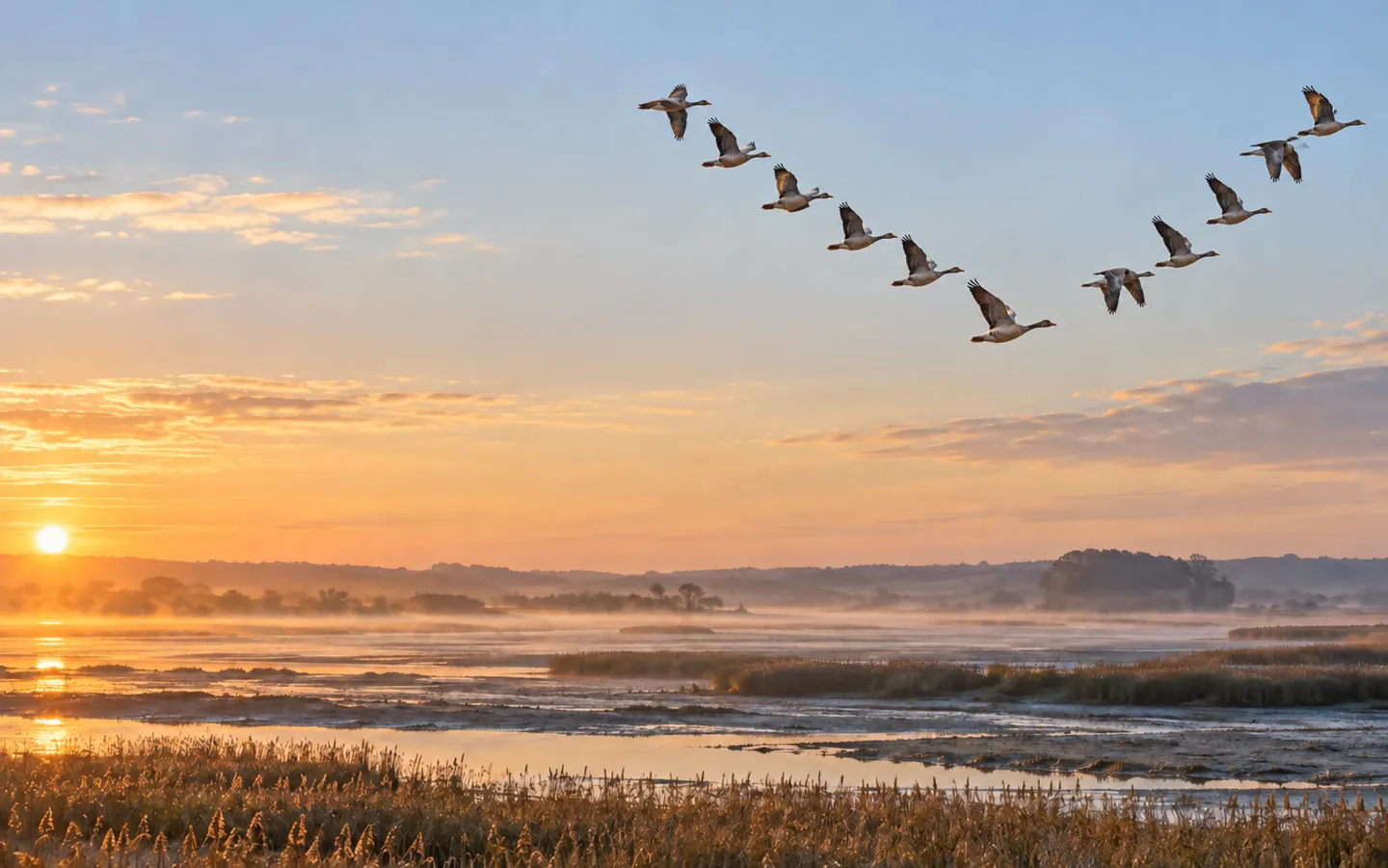
Birds in a V time their wingbeats to catch the rising air shed by the wingtips of the bird ahead.
See the studyWHAT TRACKING STUDIES SHOW
Some birds sleep in the air, and some cross an ocean without stopping.
Tiny trackers and flight loggers have shown what birds really do up there: ride the air shed by their neighbours, stay aloft for months, and climb over the Himalaya in a day. Here is the evidence, in plain English.
Plain English, with the sources linked.
UPWASH ride the air
HOW THEY DO IT
Three tricks that tracking studies
have caught birds using.
FORMATION FLIGHT
Birds in a V time their wingbeats to catch the rising air shed by the wingtips of the bird ahead.
See the studyLIFE ALOFT
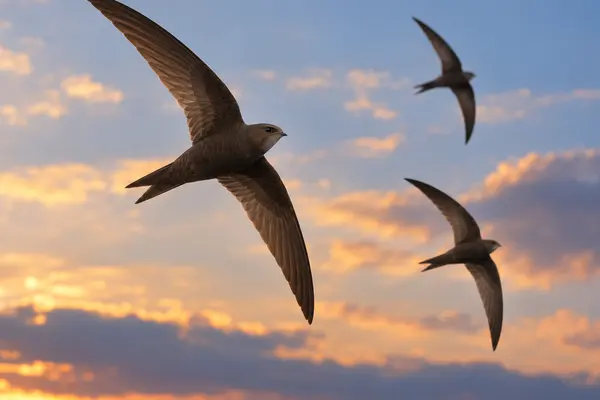
Common swifts spend about ten months a year in the air, and frigatebirds can sleep while they fly.
Flight factsMIGRATION
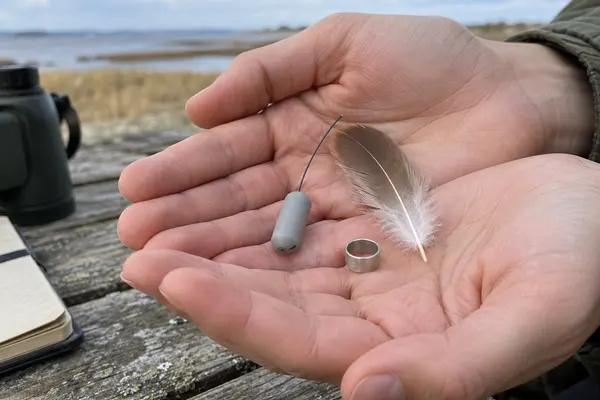
Trackers weighing about as much as a paperclip revealed journeys of tens of thousands of kilometres.
Meet the record flyersTHE RECORD FLYERS
Each of these figures comes from a study that fitted birds with satellite tags, light-level trackers or flight loggers. Choose a bird to see what it did.
The bar is only a rough visual comparison of how remarkable each feat is, not a measurement on one scale.
TWO STUDIES WORTH KNOWING
What happens in flight was guesswork
until birds carried their own instruments.
In step or out
Northern bald ibises, tracked to within 30 cm
Fourteen young ibises carried GPS and motion loggers on a migration behind a microlight. In a V, each bird timed its wingbeats to ride the upwash from the bird ahead; a bird directly behind another flapped out of step to dodge its downwash.
FORMATION FLIGHT · 2014
42 min vs 12 h+
Great frigatebirds, sleep per day
Brain recordings on flights lasting up to ten days showed frigatebirds sleeping in the air, often with one half of the brain at a time. They slept about 42 minutes a day in flight, compared with more than 12 hours on land.
SLEEP ON THE WING · 2016
Neither behaviour can be seen from the ground. Both were found only once birds carried small instruments that recorded what they did in the air.
WATCH FOR IT
Next time geese pass over in a chevron, look at the birds side by side. Their wingbeats often look closely matched.
Notice which birds flap steadily and which hold their wings still and glide. The shape of the wing is a good clue.
Swifts have long, narrow, sickle-shaped wings and rarely seem to perch. Watch how long they stay up without landing.
Note the dates when you first and last see migrant birds each year. Over a few years, your own record of arrivals and departures builds up.
FLIGHT FACTS
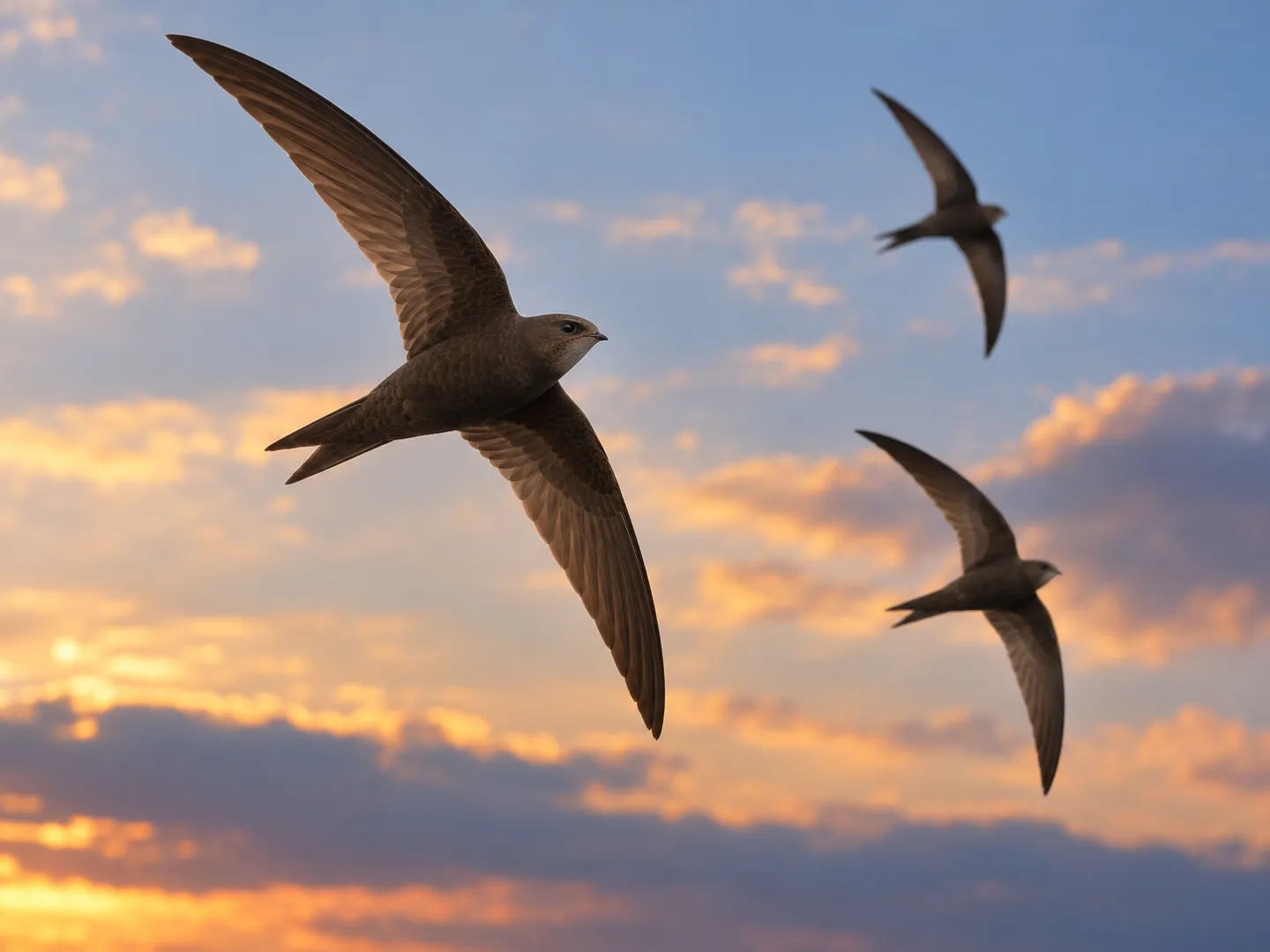
A Lund University study tracked common swifts and found they spent more than 99% of their ten-month non-breeding period in flight.
In 2007 a bar-tailed godwit known as E7 flew about 7,250 miles from Alaska to New Zealand in eight days, without a single stop.
Arctic terns weigh under 125 g, yet trackers showed some flying more than 80,000 km in a year between the Arctic and the Antarctic.
Bar-headed geese climbed to between 4,000 and 6,000 metres in 7 to 8 hours, and could keep climbing even in the still air of the night.
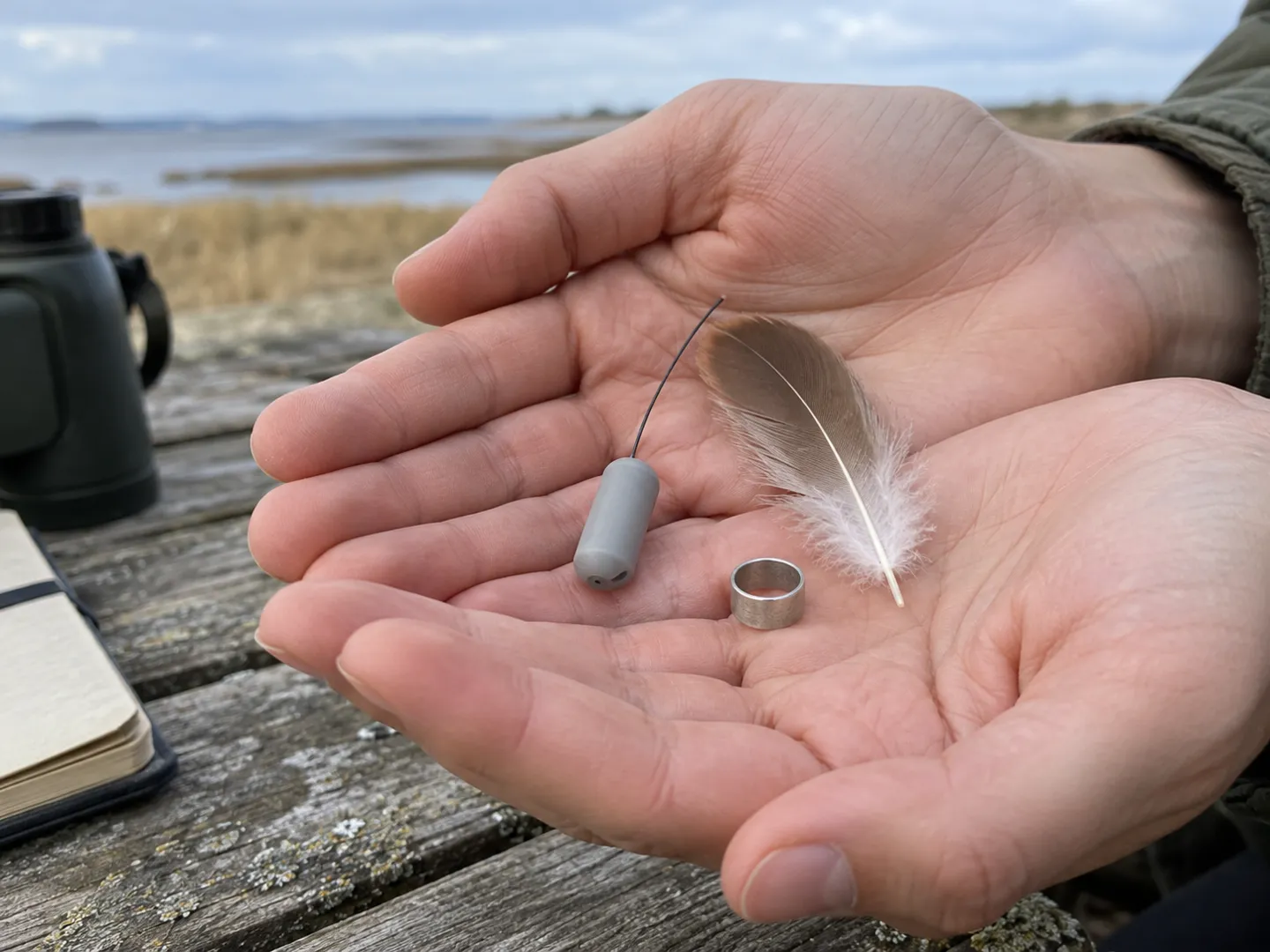
The light-level trackers fitted to Arctic terns weighed just 1.4 g, small enough for a bird lighter than a smartphone to carry.
QUICK QUESTIONS
Short answers to the questions people ask most.
A 2014 study of northern bald ibises found that birds in a V time their wingbeats so their wingtips follow the rising air, or upwash, shed by the bird ahead. Birds flying directly behind another flap out of step to avoid its sinking air.
Yes. Brain recordings from great frigatebirds in 2016 showed they sleep in flight, sometimes with one half of the brain at a time and sometimes with both. They slept only about 42 minutes a day in the air, compared with more than 12 hours a day on land.
Bar-tailed godwits hold famous records. In 2007 a tagged female known as E7 flew about 7,250 miles (roughly 11,700 km) from Alaska to New Zealand in eight days without stopping to eat or rest.
Common swifts are the stand-out example. A 2016 study found they spent more than 99% of their ten-month non-breeding period flying, landing again only when they returned to breed.
Bar-headed geese crossing the Himalaya typically climbed to between 4,000 and 6,000 metres, according to a 2011 satellite-tracking study. They made the climb in 7 to 8 hours and crossed in a single day.
Sources
A NAME THAT TAKES OFF
doodleflight.com is part of the DoodleSale portfolio. It isn't in an auction right now, but you can ask about leasing it.